
TredSafe O2 Air vs EnduroPro: Which All-Day Work Shoe Fits Your Shift?
Choosing between the O2 Air and EnduroPro comes down to what your workday actually demands. Both are built for extended wear, but each takes a different approach to cushioning, stability, and breathability.
This comfortable work shoes comparison walks through how the two models differ in materials, sole construction, and fit, so you can match the shoe to your environment and routine. We designed both with feedback from people working restaurant kitchens, warehouse floors, and healthcare settings — the details below show where each one excels.
Upper Construction and Breathability
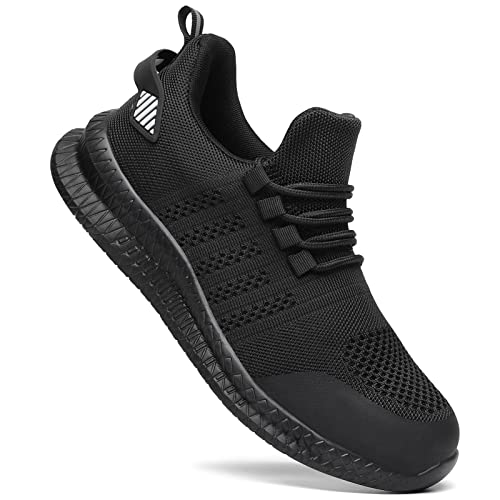
The O2 Air uses a mesh-panel upper with reinforced synthetic overlays at high-wear zones. That design prioritizes airflow, which matters in warm kitchens or any environment where your feet heat up during a shift.
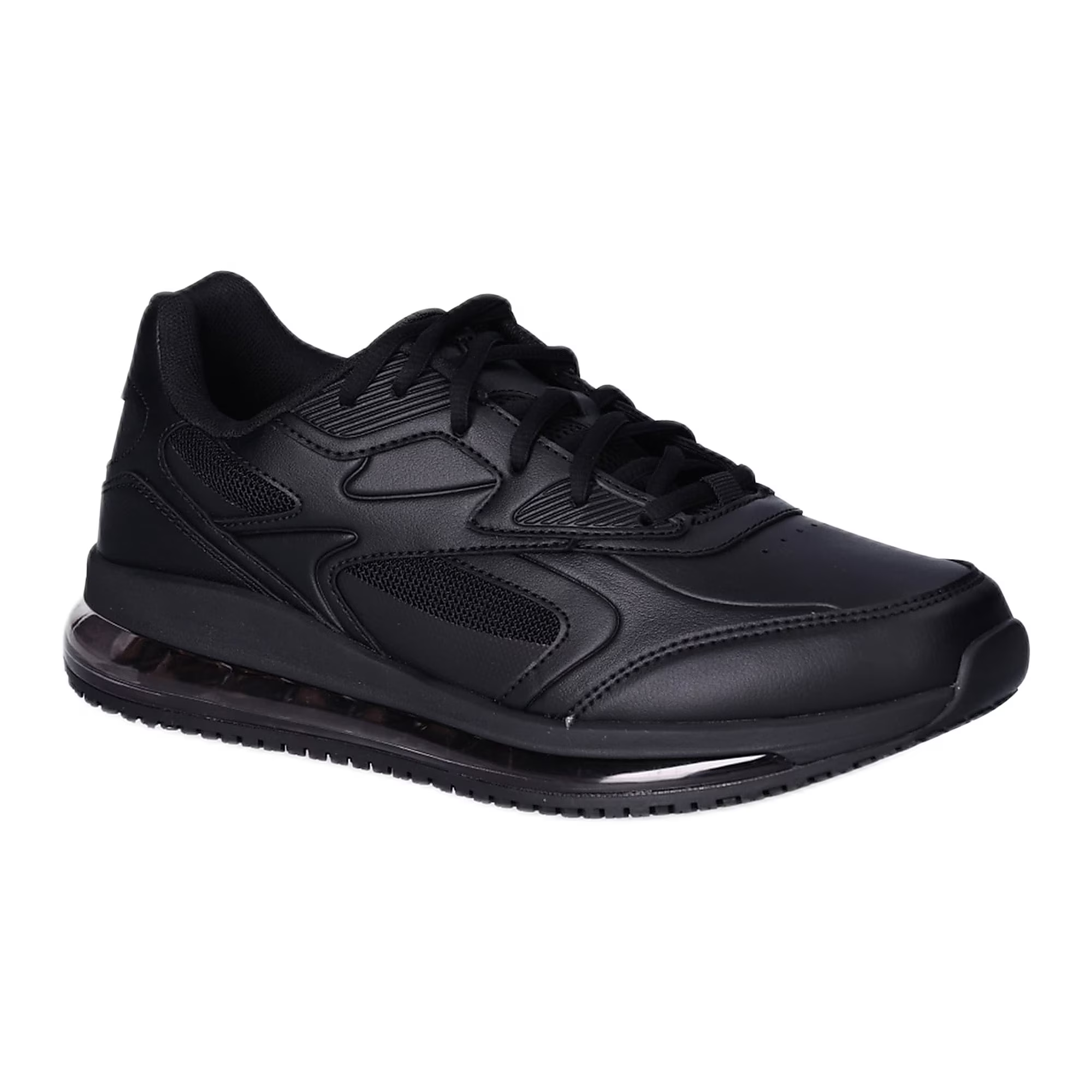
EnduroPro builds its upper from full-grain leather with sealed seams. The trade-off is weight and warmth: you gain water resistance and abrasion protection, but give up some ventilation. If you work outdoors or around liquids, the sealed construction handles spills and weather better than mesh ever will.
Fit and Volume
O2 Air runs medium width with a roomier toe box. EnduroPro fits narrower through the midfoot and holds your heel more firmly, which some wearers prefer for all-day stability but others find restrictive. We recommend trying both if you fall between standard sizes or have high arches.
Midsole Cushioning and Support
O2 Air pairs dual-density EVA foam with an internal shank for arch support. The foam compresses slightly over the first week, then settles into consistent cushioning that lasts through a full shift without bottoming out.
EnduroPro uses a polyurethane midsole, which is firmer underfoot but holds its shape longer — expect the same feel in month six as on day one. That rigidity reduces fatigue if you’re standing in one place for hours, but it doesn’t absorb impact quite as forgivingly on concrete.
The Occupational Safety and Health Administration notes that proper footwear reduces lower-back strain during prolonged standing, and both midsole types address that goal through different mechanisms.
Outsole Grip and Slip Resistance
Both models carry our slip-resistant rubber compound with deep, multi-directional lugs. O2 Air’s tread pattern spreads contact area evenly, which works well on wet tile and smooth epoxy floors.
EnduroPro adds wider heel lugs and a reinforced toe cap. That design improves traction on uneven surfaces and gives you better grip when climbing ladders or working on inclines. The toe cap also extends the outsole’s life if you kneel frequently or drag your toes during repetitive tasks.
Wear Patterns
We’ve seen O2 Air outsoles wear fastest at the ball of the foot in high-mileage roles like server or stocker. EnduroPro’s denser rubber holds up longer in those spots but shows heel wear sooner if you pivot a lot. Neither is strictly better — match the tread to your movement pattern.
Weight and Break-In Period
O2 Air weighs 11.2 ounces per shoe in men’s size 9. That lighter build means less effort lifting your feet through a twelve-hour shift, and the mesh upper flexes immediately with no break-in.
EnduroPro comes in at 14.8 ounces due to the leather upper and polyurethane midsole. Expect a two-week break-in as the leather softens and molds to your foot shape. Once broken in, the structure provides more lateral stability during side-to-side movement.
If you’re switching from a lighter athletic shoe, the EnduroPro’s initial stiffness can feel restrictive. If you’re coming from boots, it’ll feel comparatively nimble.

Durability Across Use Cases
O2 Air’s mesh panels hold up well in dry indoor environments but show fraying after three to four months of heavy outdoor use or exposure to chemicals. The EVA midsole compresses gradually, losing about fifteen percent of its original height by the six-month mark in high-impact roles.
EnduroPro’s leather upper resists scuffs and handles repeated wet-dry cycles without separating. The polyurethane midsole maintains thickness longer, often lasting eight months or more before you notice any compression. That extended lifespan offsets the higher upfront cost if you’re replacing shoes frequently.
For readers also considering models from Revere Ware, note that cookware-grade durability doesn’t directly translate to footwear — but the same philosophy of material choice over shortcuts applies to both categories.
Matching the Shoe to Your Shift
O2 Air suits roles where breathability, light weight, and immediate comfort matter more than maximum durability. EnduroPro makes sense when you need water resistance, extended midsole life, and can tolerate a heavier, stiffer shoe during the break-in period.
Both models deliver slip resistance and all-day wearability — the right choice depends on whether your environment skews hot and dry or wet and abrasive, and whether you prioritize cushioning softness or structural firmness. We built each one for different real-world demands, so the best fit is the one that matches your actual workday conditions.
Questions About O2 Air and EnduroPro
EnduroPro's polyurethane midsole holds up better under continuous standing because it resists compression longer than EVA foam. O2 Air feels softer initially but may bottom out partway through a very long shift if you're stationary most of the time.
If your shift involves more walking than standing, O2 Air's lighter weight reduces cumulative fatigue across those twelve hours.
Both meet slip-resistant standards for commercial kitchens, but O2 Air's mesh upper absorbs grease and liquids more readily than EnduroPro's sealed leather. If your kitchen runs hot and dry, O2 Air's breathability is an advantage.
EnduroPro makes more sense in prep areas with frequent spills or wash stations where water exposure is constant.
O2 Air accommodates wider feet better out of the box due to its stretchable mesh panels and roomier toe box. EnduroPro runs narrower through the midfoot and requires a break-in period even in wide sizes.
If you typically need wide or extra-wide sizing, start with O2 Air unless you specifically need the water resistance of leather.
O2 Air includes a built-in arch shank that provides moderate support for low arches. EnduroPro's firmer midsole resists collapsing under weight, which indirectly supports flat feet by maintaining the footbed shape.
Neither replaces a custom orthotic if you have severe overpronation, but both accept aftermarket insoles without crowding the toe box.
EnduroPro's leather upper and reinforced toe cap handle jobsite wear better than O2 Air's mesh, which tears on exposed rebar or sharp debris. The polyurethane midsole also resists punctures from gravel and screws more effectively than EVA foam.
O2 Air works for light outdoor tasks but isn't built for continuous exposure to rough terrain or heavy materials.
No — machine washing damages the adhesives holding the midsole to the upper in both models. For O2 Air, spot-clean the mesh with mild soap and air-dry.
EnduroPro's leather should be wiped down with a damp cloth and conditioned occasionally to prevent cracking.