
How TredSafe O2 Air Work Shoes Actually Keep Feet Cool: The Ventilation Engineering Behind All-Day Breathability
Standing for eight hours in non-breathable work shoes turns every shift into a sweaty endurance test. Your feet overheat, moisture gets trapped, and discomfort sets in before lunch.
The TredSafe O2 Air work shoe addresses this through three layers of ventilation engineering: perforated synthetic uppers, moisture-wicking interior liners, and channeled midsoles that let air move through the footbed instead of just around it. Understanding how each layer functions helps you evaluate whether any pair of breathable work shoes will actually deliver cooling performance or just market the promise.

Perforated Upper Construction: The First Ventilation Layer
The O2 Air’s synthetic leather upper carries strategically placed perforations across high-heat zones—the toe box, midfoot panels, and heel counter. These aren’t decorative pinholes; they’re engineered apertures sized to allow airflow without compromising the shoe’s structural integrity or protective function.
Perforation placement follows workplace safety standards that require uppers to shield the foot from impact and puncture hazards. The holes sit in non-critical zones where ventilation won’t create weak points during lateral stress or toe compression. This balance between breathability and protection separates functional work footwear from athletic shoes that prioritize cooling above everything else.
Synthetic materials hold their shape better than mesh or knit fabrics under daily wear, so perforations stay open instead of collapsing shut after a few months. The upper’s perforations account for roughly 15-20% of the shoe’s surface area—enough to exhaust heat without turning the shoe into a sieve that lets in debris on job sites with loose aggregate or metal shavings.
Moisture-Wicking Liners: Managing Sweat Before It Pools
Breathability isn’t just about air moving in; it’s about moisture moving out. The O2 Air’s interior liner uses polyester microfiber that pulls perspiration away from skin through capillary action, spreading it across a larger surface area where evaporation happens faster.
This wicking layer sits directly against your foot, so sweat transfers into the fabric instead of pooling in the footbed. Once moisture spreads through the liner, the perforated upper and channeled midsole provide escape routes for vapor to exit the shoe. Without that wicking step, even a well-ventilated shoe traps humidity inside because liquid sweat doesn’t evaporate quickly in enclosed spaces.
The liner also prevents the sour-smell problem that plagues non-breathable work shoes. Bacteria thrive in warm, wet environments, and a saturated insole becomes a microbial incubator by midweek. Keeping moisture in motion denies bacteria the standing-water conditions they need to colonize, which is why the O2 Air work shoe stays fresher between washes than solid-lined alternatives.
Channeled Midsole Design: Airflow Through the Footbed
Most work shoes trap heat at the sole because the midsole sits as a solid slab between your foot and the ground. The O2 Air’s midsole incorporates longitudinal channels that run from heel to toe, creating airways through the foam itself.
These channels work with the perforated upper to establish through-ventilation: cool air enters through the side perforations, travels along the channels, and exits through the toe box or heel perforations as you walk. Each step compresses the midsole slightly, which pumps air through the channels like a bellows—you’re actively ventilating the shoe just by moving.
The channels also reduce the midsole’s contact area with your foot, which lowers conductive heat transfer. Less surface contact means less body heat migrating into the foam, and the air pockets in the channels act as thermal insulators that slow heat buildup. This channeled design appears across our comparison of O2 Air and EnduroPro models, where the EnduroPro’s solid midsole trades some breathability for maximum cushioning on concrete floors.

Why Material Choice Matters for Long-Term Breathability
Breathable work shoes lose their cooling ability when the ventilation structures degrade. Mesh uppers snag and tear, foam compresses and closes off air gaps, and adhesives fail when moisture weakens the bond between layers.
The O2 Air uses thermoplastic polyurethane (TPU) reinforcements around each perforation to prevent tearing, and the synthetic upper resists the kind of breakdown that mesh suffers after repeated wet-dry cycles. The midsole channels are molded into the foam during manufacturing rather than cut afterward, so they won’t collapse under your weight the way some slotted insoles do.
Shoe longevity directly impacts breathability because a worn-out shoe can’t ventilate effectively even if it started well. If a sole separates at the adhesive seam, the gap might look like extra ventilation but it actually disrupts the designed airflow paths and lets in debris that clogs the channels. Material durability isn’t just about the shoe lasting longer—it’s about the cooling features still functioning in month six.
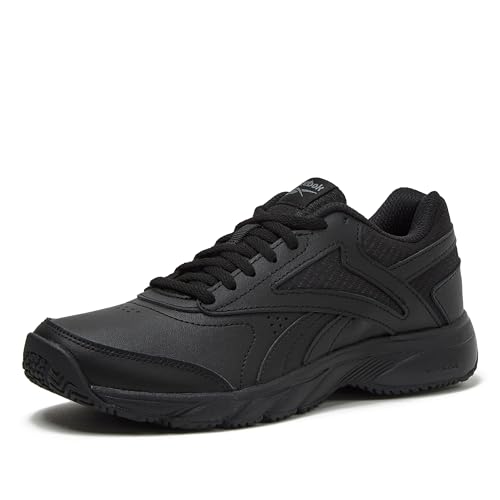
Comparing Breathable Work Shoe Technologies Across Styles
Not every breathable work shoe uses the same ventilation strategy. Some prioritize maximum airflow with open-mesh panels, which works well in dry, climate-controlled warehouses but fails in environments with dust, metal shavings, or liquids on the floor.
Others use sealed waterproof membranes with breathable coatings, trading some ventilation for wet-condition protection. These shoes keep water out but also limit how much moisture can escape, so they run warmer than perforated designs during long shifts in dry conditions.
The O2 Air sits in the middle: more breathable than waterproof styles, more protective than open-mesh athletic safety shoes. Workers in food service, healthcare, or light manufacturing—environments where floors stay dry but shifts run long—see the most benefit from this balance. The EnduroPro model shifts the balance slightly toward cushioning over ventilation, while the Executive style adds a dressier profile for front-of-house roles that still demand comfort during long standing periods.
Evaluating Real Ventilation Engineering in Work Footwear
Breathable work shoes deliver measurable cooling only when ventilation isn’t just a marketing claim but an engineered system. The TredSafe O2 Air’s perforated uppers, moisture-wicking liners, and channeled midsoles work as an integrated cooling mechanism, not isolated features.
When evaluating any work shoe’s breathability, look for multiple ventilation layers that address both airflow and moisture management. A shoe with only perforations but no wicking liner will feel cooler initially but become clammy as sweat accumulates. A shoe with wicking fabric but a solid midsole exhausts moisture slowly, leaving your feet warmer than necessary.
The difference between uncomfortable work shoes and genuinely breathable ones often comes down to how many cooling strategies the manufacturer deployed and whether those features will still function after months of daily wear. Understanding what makes the O2 Air work gives you the framework to assess whether any breathable work shoe will actually keep your feet cool or just promise it on the box.
Common Questions About Work Shoe Breathability and Cooling
Yes, if the shoe uses multiple ventilation layers that work together. Perforations alone provide some cooling, but real temperature reduction requires moisture-wicking liners to move sweat away from skin and midsole channels to exhaust humid air. Shoes with only one of these features show modest improvement; shoes with all three can drop in-shoe temperature by several degrees over an eight-hour shift.
Standard perforations allow water and liquids to enter, so perforated breathable work shoes aren’t appropriate for wet environments or chemical exposure areas. If your job involves frequent spills, hose-downs, or liquid chemical handling, a sealed waterproof work shoe with breathable membrane technology is the safer choice despite reduced ventilation.
Check the perforations for clogs from dust or debris, and inspect the interior liner for compression or pilling that indicates the wicking fabric has worn out. If your feet feel as hot in month four as they did in week one despite cleaning the shoes, the ventilation structures have likely degraded and the shoes need replacement.
Aftermarket moisture-wicking insoles help by managing sweat, but they can’t create airflow through a solid upper or midsole. You’ll see some improvement in moisture control but minimal temperature reduction. Drilling ventilation holes yourself usually weakens the shoe’s structure and voids any safety certifications, so it’s not recommended for protective footwear.
No, slip resistance comes from the outsole tread pattern and rubber compound, not the upper construction. A perforated upper doesn’t change how the sole grips the floor. The O2 Air maintains the same slip-resistant outsole as solid work shoes while adding ventilation features above it.
Most breathable work shoes lose effectiveness after six to nine months of daily wear as perforations clog, liners compress, and midsole channels collapse. Inspect your shoes monthly for visible wear in ventilation zones, and replace them when you notice consistent foot heat despite proper sock choice and regular cleaning.